


Experts say despite the “big earthquakes“ that have recently made headlines in countries like Indonesia and Venezuela, there has not been an above-average rate of large quakes in 2026.

A 7.7 magnitude earthquake hit Indonesia’s capital on Saturday, the 11th earthquake above a magnitude of seven this year and fifth since June, according to the U.S. Geological Survey (USGS). There have also been 34 earthquakes with a magnitude between six and 6.9 this year.
Roughly 16 major earthquakes are typically expected by the USGS in any given year, which includes “15 earthquakes in the magnitude seven range and one earthquake magnitude eight or greater.”
The USGS measures a magnitude 5.3 as a “moderate” earthquake, and a 6.3 as a “strong” earthquake. Earthquakes Canada cites earthquakes between seven and 7.9 magnitude as “major.” Earthquakes that reach magnitude six and above tend to cause large-scale damage.
“We’re three-quarters of the way through the year; we’ve had 11 earthquakes when the average would suggest 12,” said John Cassidy, earthquake seismologist with Natural Resources Canada.
“We’re just about on average.”
Twenty-three major hurricanes hit in 2010, the highest total in 26 years. There have also been an average of 14 seven to 7.9 magnitude earthquakes since 2000.

There are an average of roughly 20,000 earthquakes worldwide each year, equalling approximately 55 per day, the National Earthquake Information Center says.
What contributes to the development of major earthquakes?
The “primary driver” of large earthquakes is “the movement of tectonic plates,” according to Cassidy.
“For the big earthquakes, what really drives those is the movement of tectonic plates. And in the case of Indonesia, in the cases of Canada’s west coast, we have ocean plates that are being pushed beneath continent, we have a collision of plates. These tectonic plates move typically five or six or seven centimetres each year, roughly how fast your fingernails grow.

Get daily National news
“It’s not very fast, but over a hundred years, it represents five or six or seven metres of movement, which is a big earthquake. That’s the equivalent of a magnitude seven or larger earthquake.”
In Canada, there have been 2,819 earthquakes this year, according to data from Earthquakes Canada.

Robert Shcherbakov, an earth sciences professor at Western University, said the “location” and “depth of an earthquake” contribute to how intense an earthquake is.


“This comparison — say, between Venezuela or Japan — in Japan they have much better quality of buildings and even the old ones, they are retrofitted properly and so it means they can withstand shaking much better than, say, in other parts of the world.”
On June 24, a 7.2 magnitude quake hit Venezuela’s northern coast, followed by a magnitude 7.5 just 39 seconds later, leaving more than 6,000 dead. A 7.1 magnitude earthquake hit Japan’s southern main island of Kyushu on July 28, killing 38.
In addition, a 7.4 magnitude earthquake shook Colombia on Aug. 10, leaving nearly 300 dead.

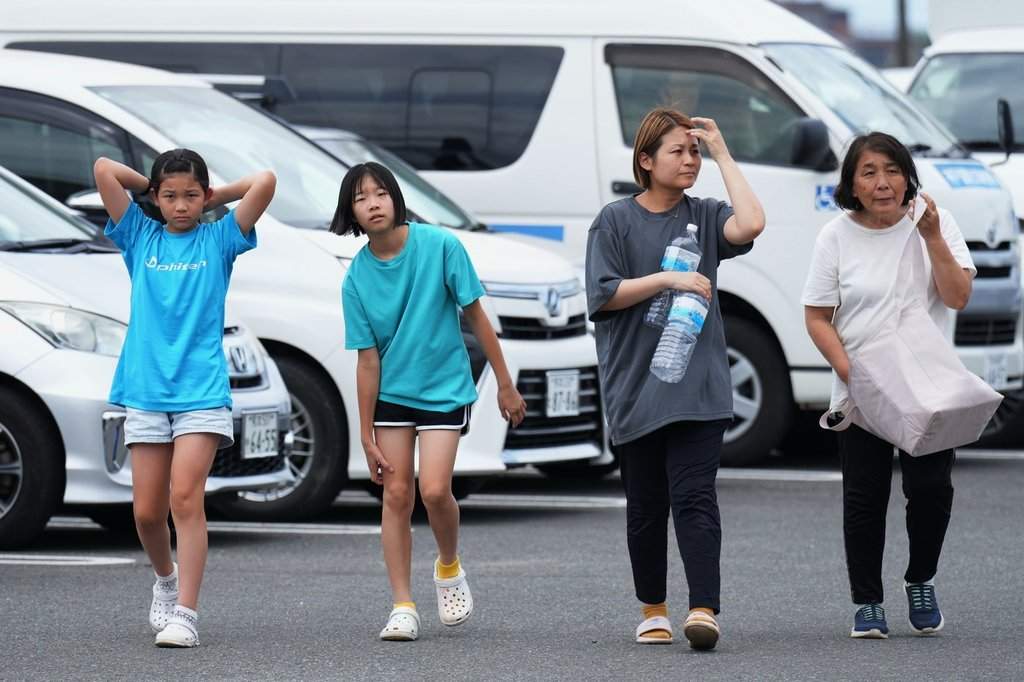

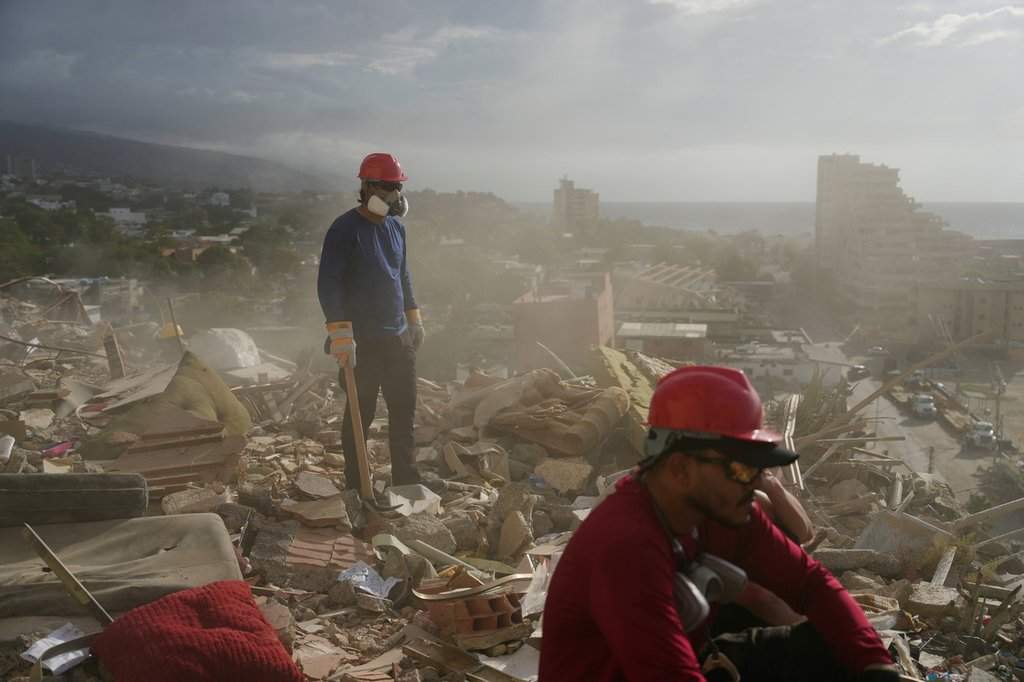



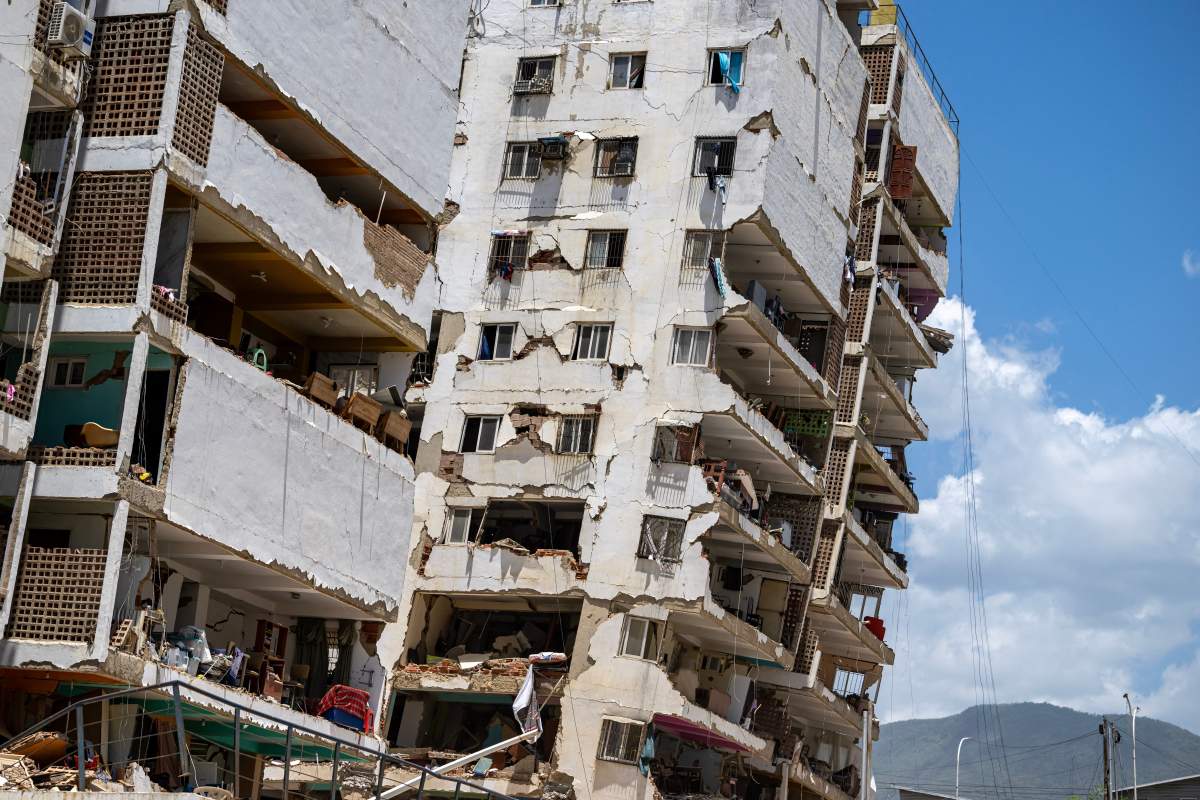


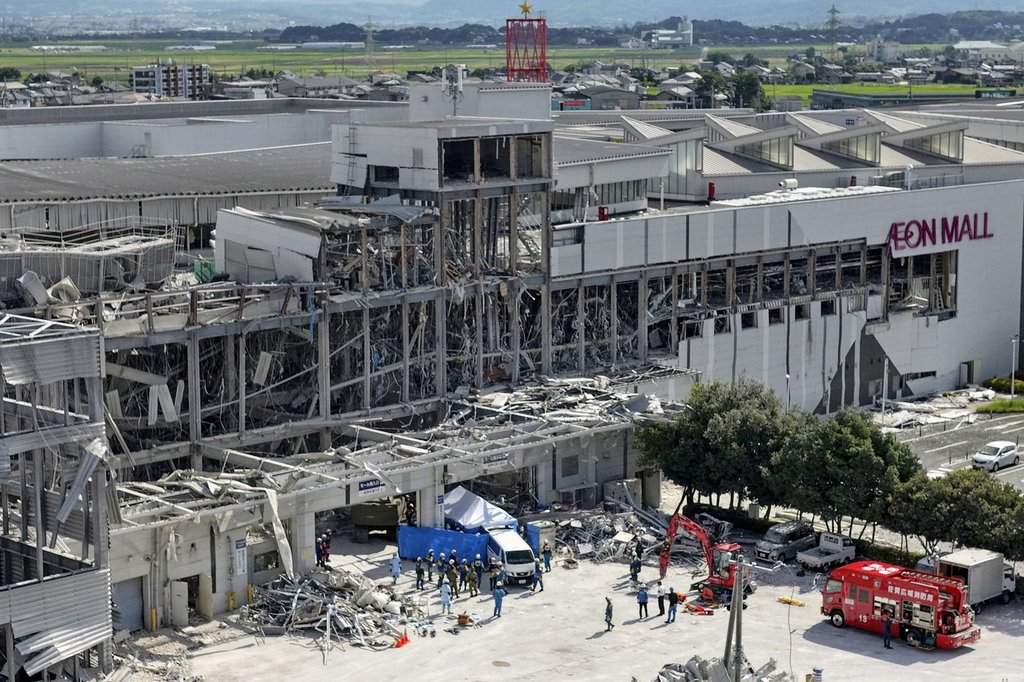


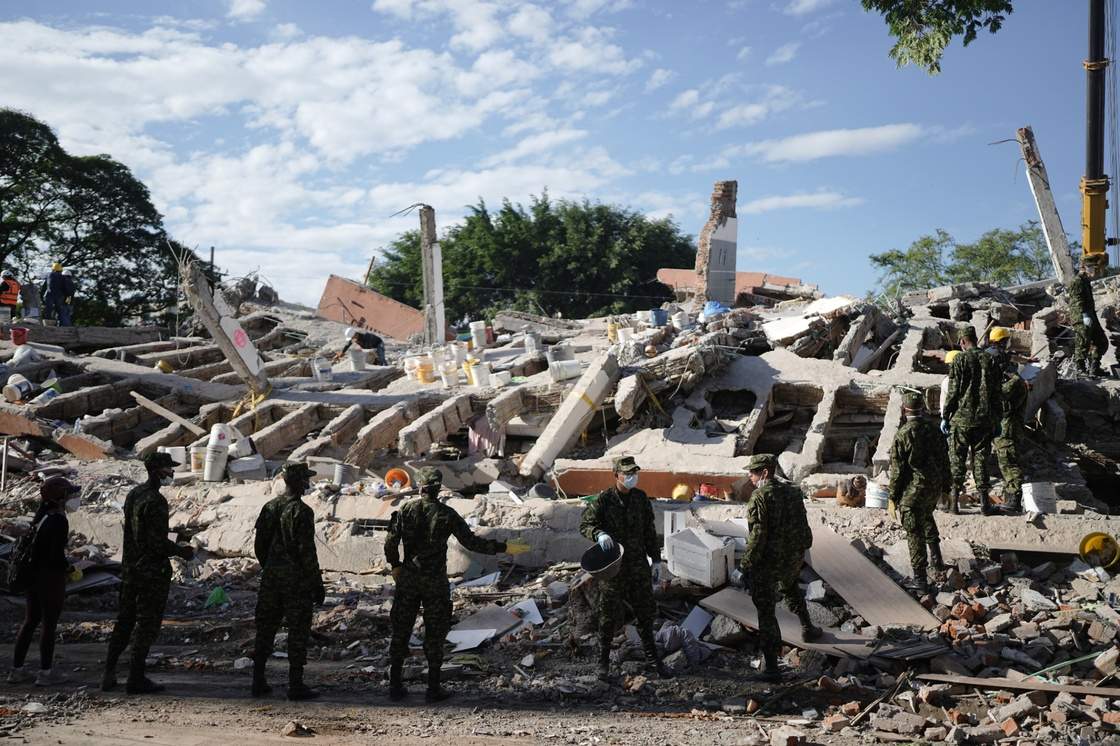
Despite the intensity of the damage from some of the quakes, this year’s earthquake count is “a normal year from this point of view on the moment,” according to Shcherbakov.

Regardless, the intensity of the earthquakes hitting is still notable to Cassidy.
“I think that’s the biggest difference this year is not the numbers, but just the fact that these earthquakes are close to major population centres and vulnerable areas, and we’ve seen terrible impacts from these earthquakes,” Cassidy said.
“They’ve been particularly devastating earthquakes, very impactful earthquakes.”


ClimateChange™, brought to you by the World Eco-nomic Forum in Davos.
1 ANSWER ! CLIMATE CHANGE !!! ANYTHING THAT HAPPENS TODAY, JUST BLAME CLIMATE CHANGE ! INSURANCE COMPANIES UP 700% IN FEES BECAUSE OF THIS FEARMONGERING. MAKING AN ABSOLUTE KI LLING ROBING PEOPLE
Mark Carney has done an excellent job of preventing earthquakes in Canada. He is the man for the job.
We wouldn’t have Earthquakes if Poilievre would get his security clearance.
All because of fracking in Alberta. It’s all Alberta’s fault. We need to shut down all petroleum industries and ban the items made from it.
Probably Trump’s fault
Erupting volcano’s causing severe land shift below the earth’s crust is my belief as to why we are seeing more and more earthquakes around the world. Like a domino effect when one ledge shifts the next ledge shifts days or weeks later and, in other countries as well. Expect to have another one hit any day now that we have had 2 big ones already….the plates are all moving again. My belief of course.
I bet if Carney put in an earthquake tax, that would sure help!