


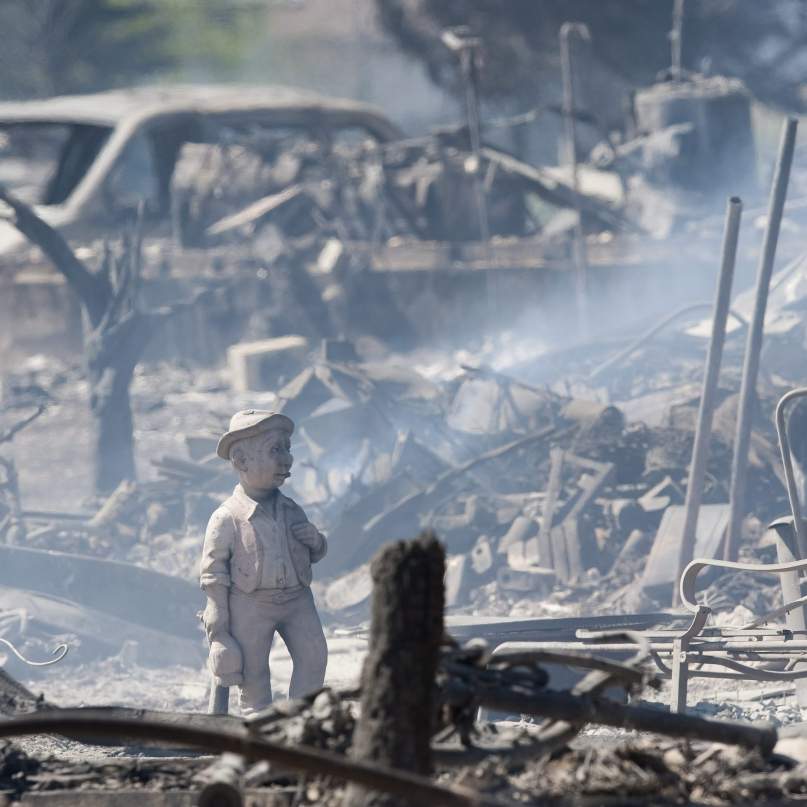
A recent spate of natural disasters in Canada, from wildfires in Alberta to flooding in Manitoba and Quebec, has Canadians concerned.
They’re wondering if these events will lead to a spike in insurance premiums.
To address their concerns, Globalnews.ca spoke to Doug Grant, principal at Insurance-Canada.ca.
Canada has seen many natural disasters in recent months, from wildfires in Alberta to flooding in Manitoba and Quebec. What impact has this had on the insurance industry?
Canada has many natural events each year, some of which are large enough to be classed as major, or disasters/catastrophes if you will.
Insurance by its very nature spreads the risks, disasters included, over large numbers of insureds. Financially, some disasters are expected each year, so they are already considered.
As well, each insurer will in turn buy reinsurance against larger losses in the event that a single disaster is very large, or that there are an unusual number of such events.
A second impact is the management of resources to try to respond quickly to the stricken policyholders in such events, with internal and external adjusters brought to bear, and third party restoration and repair firms all responding.
Insurers and service companies all have plans and teams in place to help respond as quickly and as well as possible.
The immediate challenge for most is to respond to all those who have suffered, and that can obviously be difficult with large numbers and/or in remote locations and/or with multiple events occurring simultaneously.
As a result of these incidents, will Canadians see an increase in insurance rates in the coming months or years?
Sudden spikes in natural occurrences are not uncommon and the financial impact is mitigated by good risk management planning including reinsurance. If the number and severity of such events continues to increase, rather than drop off again, of course one would see rates increase beyond the normal.
What, if any, measures can Canadians take to keep their insurance costs as low as possible?
Homeowers, businesses, all Canadians with property insurance of some sort can help contain their own insurance costs by reducing the risk of loss and thus reducing their insurance costs.
For example, cedar shingles in fire prone areas are not a wise choice.
There are any number of lists available from insurance brokers and agents, from insurers, on the internet, about reducing one’s risk of loss.
Think a few years back (well, OK, maybe thirty) when homes did not have smoke detectors; the insurance industry promoted them heavily and often offered insurance discounts based on them.
The U.S. has also seen many natural disasters in recent months. How will the response of the insurance industry there compare to the response of the insurance industry here? Please explain.
There is no essential difference. People buy insurance from insurance companies, a loss occurs, the insurance company responds. The insurance industry is very competitive, and serving customers is a key factor in competition. Ignore your customers at your own peril.
Looking ahead to the next few years, what can Canadians expect in terms of insurance premiums? A dramatic increase, a moderate increase or none at all? Please explain.
At this point, in terms of "expecting", I would suggest normal increases. But man and nature have a way of throwing curves.
A Katrina in Eastern Canada, a major earthquake in BC, 911 in Toronto or Montreal, a repeat of something like SARS or just an ongoing flow of significant natural events like we have seen, or a number of major events elsewhere in the world, through the rest of this year and beyond, and there will obviously be some bigger and broader impacts.
I am guessing, though, that the Quebec and Manitoba floods and the Alberta fires are probably not outside the expected envelope of losses and won’t by themselves increase rates generally.



Comments
Want to discuss? Please read our Commenting Policy first.