


Child poverty in Canada rose for a third consecutive year in 2025, with nearly 30,000 more children falling below the poverty line, according to the latest Child and Family Poverty Report Card.

The report says progress toward eliminating child poverty is not only stalling but reversing, with rates now approaching levels last seen in 2017, signalling an erosion of gains made after the introduction of the Canada Child Benefit in 2016.
The report says that at the current pace, it would take nearly 400 years to end child poverty in the country.

Poverty continues to be unevenly distributed, disproportionately affecting marginalized groups. Nearly one in five children under six live in poverty. Rates were highest for First Nations families living on reserve and communities in provinces such as Nunavut, Saskatchewan, and Manitoba.
Not only is poverty affecting more families, but according to the report, it is also deepening, with low‑income families falling further below the poverty line than before the pandemic and the rate of deep poverty growing consistently since 2020.

Get breaking National news
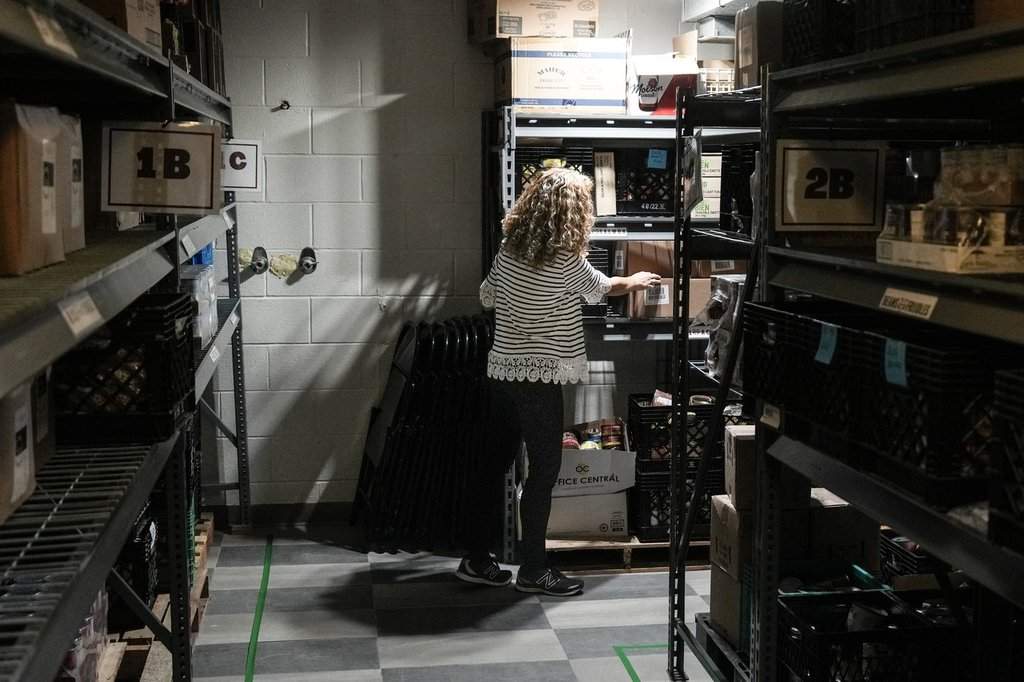
The report also highlights rising food insecurity, with 2.5 million children living in food-insecure households. The number of children in severely food-insecure households doubled between 2019 and 2023.
Children in lone-parent families face particularly high rates of poverty, at 45.2 per cent, compared with 10.1 per cent of children in coupled families.
More than 1.2 million adults, or 6.8 per cent, were living in working poverty, meaning employment income alone was not enough to lift them above the poverty line.
- Canada faces off against the United States in para hockey development camp
- Canadian astronaut Joshua Kutryk set for 6 months on the International Space Station
- Calgary city council approves outdoor watering schedule as part of demand reduction plan
- ‘Bailey’s Law’ clears House of Commons hurdle to toughen intimate partner violence laws


The report calls on the federal government to strengthen its poverty reduction strategy with a detailed action plan that includes new and expanded programs, clear timelines and dedicated funding. It urges Ottawa to shield families from market pressures through greater public investment in child care, housing, health care and mental health support.
It also recommends ensuring wages and income support work together to lift families above the low-income threshold, while addressing systemic discrimination embedded in poverty reduction efforts.
The report says income benefits and public services must be accessible and responsive to the needs of diverse and systemically marginalized families.
Finally, it calls for reducing income and wealth inequality by making the tax system more progressive to support income adequacy and equity.



This is why birth rates are so low. When you can barely afford yourself, why do you think bringing another mouth to feed into this world will benefit you? People are stupid, and they breed. If you’re low income, don’t have a kid then complain that everything is so expensive.
While our government gives billions to AFN, Ukraine & other “nations”/countries and food support to same & Cuba.
What is with all this spin on Child Poverty. Children are not poor, it is the family that is poor. Children should not be working for a living.
Natives take the CCB and spend it on themselves, not their children. So that one is easy to see.
Families with only 1 parent have only 1 income, so of course, if incomes are not enough, they will be in poverty more. The maxim that it takes a family to raise a child, we are too quick to go for divorce, without thinking of the natural consequences.
I agree with the tax issue. If one is below the poverty line, one should never have to pay income tax. The minimum wage should be set so a full time job would generate income above the poverty line.
We just sent 8 million to Cuba for food. Canada is a joke.
The Liberal party of Canada only cares about countries outside our borders. They do not care about Canada.
But but.. we (well, our government) are so generous to give our money away for any and every country out there.
Yet we won’t help our own….
Besides that some parents think feeding (and bringing up) their children is Canada’s responsibility. First comes first… smokes, beer, junk food….
One cup of gruel ought to be enough for any peon.
Dontcha just love corporate Canada and the stranglehold their lobbyists have on our government in Ottawa?
Child poverty is up, seniors are struggling yet we can find $2 billion to give to Ukraine again. There is something wrong with this picture.
And what about senior poverty, duh