


A recent ruling by an Ontario Superior Court judge has overturned Canada’s laws prohibiting the possession and production of cannabis. Justice Donald J. Taliano found that legal access to medical marijuana for those who desperately need it is practically unattainable.
According to court documents, Matthew Mernagh, a seriously ill young man who used medical marijuana to help manage the symptoms from a variety of ailments, grew his own marijuana for medicinal purposes.
Although the federal government has 90 days to respond before the ruling becomes binding, licensed medicinal marijuana patient Marco Renda hopes the potential legalization extends to everyone of legal age.
“Keeping marijuana legal for medical patients only doesn’t really eliminate the dangers that medical patients face on a regular basis, especially when having to deal with black market dealers,” says Renda.
Mernagh struggled to receive a signed doctor’s declaration which would allow him to legally obtain the drug under Health Canada’s Marihuana Medical Access Regulations (MMAR). Less than quarter of a percent of doctors practicing in Canada sign the forms needed for patients to obtain medical cannabis through the Health Canada program.
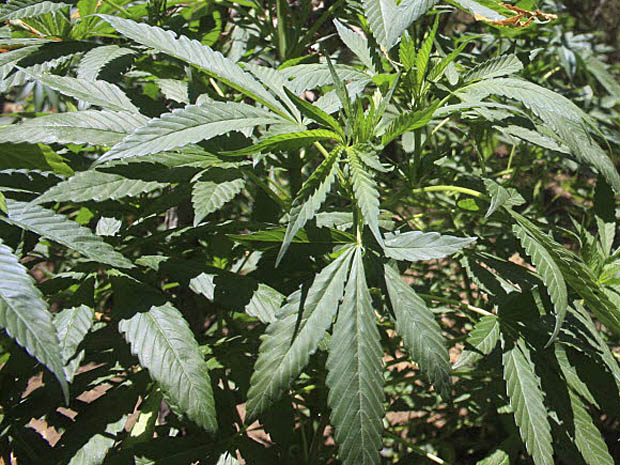
Renda says that aside from finding a compassionate doctor who is willing to sign the Health Canada form, the biggest challenge for medical marijuana patients is trying to find the perfect strain of cannabis. The seeds of marijuana offered by Health Canada have been culled from marijuana plant, Cannabis sativa L. ‘Indica.’ Under a contract with Health Canada, the plant is cultivated and harvested by Prairie Plant Systems Inc. Renda says more strains need to be accessible to help those with various ailments.
“People need to understand that marijuana is just like any other pharmaceutical drug as what works for one person doesn’t necessarily mean that it will work for the next patient.”
The origins of medical marijuana
The active component of marijuana, tetrahydrocannabinol (THC), has some useful medicinal effects. It contains over 60 psychoactive compounds and can used to treat many other medical ailments including multiple sclerosis.
Cannabis also inhibits vomiting, which makes it extremely useful for treating patients receiving chemotherapy. Also, because it increases appetite, it has great potential to treat eating disorders such as anorexia.
Marijuana has long been used as a medicine in India, China, the Middle East, Southeast Asia, South Africa, and South America.
Marijuana is native to central Asia and is thought to have been cultivated as far back as 10,000 years ago. Pottery shards unearthed near Taiwan bear the distinct impression of hemp, the fiber of the cannabis sativa plant, which proves marijuana has been used since the Stone Age.
Marijuana was being cultivated in China by 6,000 B.C., and two thousand years later it was used to make textiles there. Cannabis appeared in Chinese medicine around 3,000 B.C.
Interest took root in Northern Europe around 500 B.C.
An Irish physician working in Calcutta conducted a cannabis experiment in the 1830s, using it to treat muscle spasms, stomach cramps and general pain.
That led to a spread in the use of cannabis for medicine purposes throughout the West.
By the mid-1800s, cannabis formed the basis for some medicines prepared in North America. In fact, it was the primary pain reliever until the advent of Aspirin.
In the early 1900s, the U.S. Pure Food and Drug Act passed, regulating the labeling of products containing alcohol, opiates, cocaine, cannabis and other ingredients.
However, by the 1930s cannabis was restricted in most parts of the world, including the United States and Canada.
In 1971, a Commission Report on Cannabis detailed a thorough examination of the use and effects of cannabis consumption. The report called for the removal of cannabis from the Canada’s Narcotic Control Act. While the report was widely praised for his thoroughness; its recommendations were not acted upon by the federal government.
In July 2001, Canada became the first country to offer medical marijuana to those in need. Yet, on April 11, 2011, an Ontario Superior Court judge found that a major problem exists in obtaining the requisite medical support to procure an exemption under MMAR.
Today, there are almost 4,000 people in Health Canada’s MMAR program.
In the U.S. today, the use of cannabis for medicinal purposes varies state by state. However the U.S. Supreme Court ruled that the federal government has a right to regulate and criminalize cannabis, even those for medical purposes.



Comments
Want to discuss? Please read our Commenting Policy first.