

The Food and Drug Administration is warning that a stimulant used in treatments for the childhood condition attention deficit-hyperactivity disorder can trigger painful, long-lasting erections in rare cases.

The federal agency said Tuesday it is updating drug labels to include information about priapism, a condition that can permanently damage a patient’s penis.
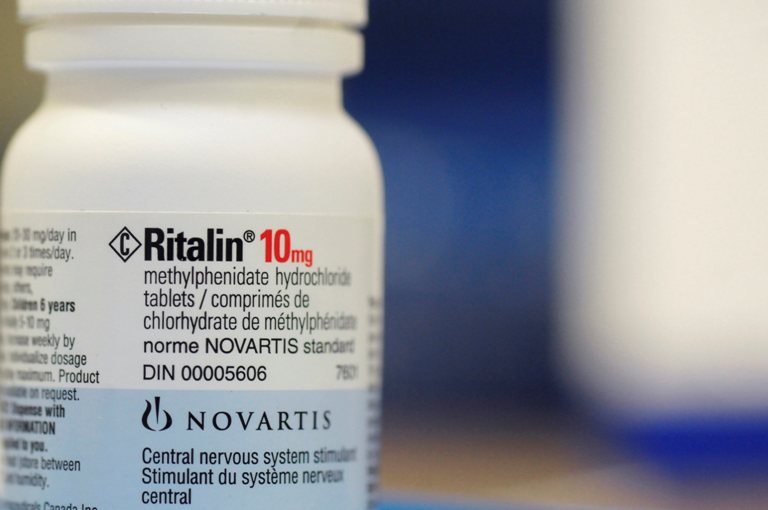
The stimulant, methylphenidate, is found in treatments including Ritalin, Concerta and Daytrana.

Get weekly health news
The agency said people should talk to their doctors before halting the drugs. Parents should talk to boys taking the drug so they are aware of warning signs. Medical help should be sought for patients on the stimulant who develop erections lasting longer than four hours.
ADHD is a common childhood disorder that hampers a child’s ability to pay attention and control behaviour. Medications that use the stimulant can help increase focus and reduce impulsivity in patients.


The FDA said patients taking a methylphenidate product who experienced priapism ranged in age from 8 to 33 years old, with a median age of 12 and a half. Priapism happens when blood becomes trapped in the penis, leading to abnormally long-lasting erections.
ADHD treatments have received FDA scrutiny before. Isolated reports of heart attacks and strokes in kids taking the drugs caused worry and prompted a study a few years ago that concluded the treatments don’t raise the risk of serious heart problems.


Comments
Want to discuss? Please read our Commenting Policy first.