

Calves liver with crispy bacon and oxtail soup were regular staples at our parents’ dinner table many years ago, but it’s almost impossible to include them in mine.

The savoury meals prepared by my mother that I remember so fondly did not originate from a supermarket meat counter but from our local butcher.
These were inexpensive cuts such as shank, shoulder, kidney, brisket, tripe, oxtail, heart and neck. All were cooked slowly and lovingly until their distinct flavours mingled with the seasonings and vegetables she had added.
But as time went by and supermarkets began selling boxed meat (cut in distant commissaries) those once sought-after cuts disappeared. In their place came prime cuts such as boneless chicken breasts, beef tenderloin and pork chops, which at the time seemed more affordable.
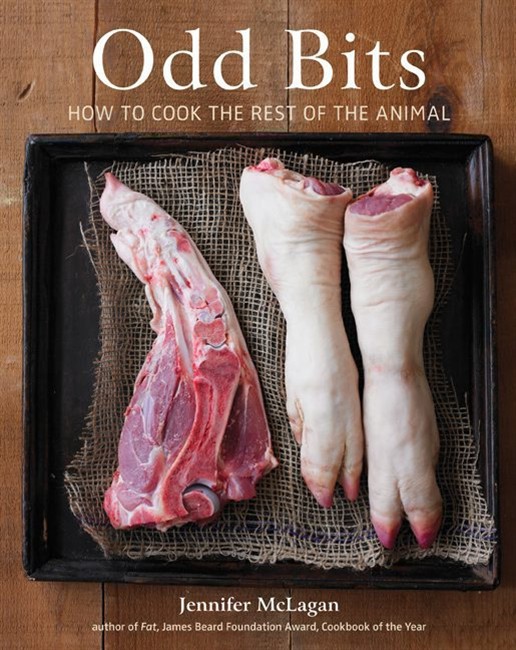
Now, Toronto food writer and chef Jennifer McLagan, in her third book “Odd Bits” (HarperCollins, $39.99, hardcover), is boldly taking on a hot trend among top chefs who are pursuing using “the rest of the animal.”
“There is a trend towards nose-to-tail cooking among many fine chefs,” says McLagan, “and I think as prices are going to go up for boxed factory farmed meats people are going to look at cheaper cuts.”

Get breaking National news
However, unless supermarkets start stocking their meat counters with these golden oldie cuts, they may remain relics to today’s cooks whose mantra is to use the current products chosen by meat buyers and laid out in Styrofoam packages for their convenience.
“People complain that they don’t have time to cook liver, but it cooks so fast it will be ready before you get the table set,” says McLagan.
This book follows her award-winning books “Bones” in 2005 and “Fat” in 2007, which each garnered the James Beard Cookbook of the Year and the International Association of Culinary Professionals awards.
McLagan says the odd bits of meat she is writing about are just as nutritious and flavourful as the more popular of today’s cuts, “but they are not deemed as attractive.
“Most people don’t shop using common sense. They shop for something that is pretty or is on sale.”
One appliance that truly fits in with the preparation of less familiar and cheaper meat cuts is the slow cooker, she says.
“It would be fabulous to use a slow cooker for cuts like lamb necks, beef and pork cheeks and tongue.”
McLagan says that she doesn’t see the demise of supermarkets, “but I think we can demand more of them than what we are getting.
“I also encourage people who have a butcher near them to go there,” she says. “Or if you know a local farmer you can ask them to get special cuts for you when the animal is slaughtered.”
“Odd Bits” is a continuation of McLagan’s argument that consumers have traded flavour for health and efficiency.
It delves into the rich geographical, historical and religious roles of what have become unusual meats.
With photography by Leigh Beisch, the pages are graced with a smiling pig head, juicy cow tongue, a fragrant pan of cobbler made with lamb shoulder and Peruvian heart kebabs to name just a few.
“If we don’t teach the next generation how to roast, braise and to master these basic culinary tasks, they are going to pig out on boxed food for the rest of their lives,” says McLagan.
To learn more about “Odd Bits” and the author’s other books, visit http://www.jennifermclagan.com.


Comments
Want to discuss? Please read our Commenting Policy first.