





According to Statistics Canada, Winnipeg’s population exceeded 850,000 by July of last year after an estimated increase of more than 8,200 people.

That makes the city the fifth largest municipality in Canada, and marks a considerable trend of growth over the past 15 years. The 2021 census showed nearly 750,000 residents, with that number being just over 663,000 in 2011.
Mayor Scott Gillingham has noted the population increase as an achievement for the city, but recognizes sharp increases come with challenges.
“Growth is indicative of people, I believe … choosing Winnipeg. Choosing to live here, choosing to invest here, and choosing to raise their families here. But it also does come with some of the challenges or demands on our city services. We talk about demands on transit, on our recreation services, on policing, paramedics, firefighters.”
The mayor pointed to securing more provincial and federal funding for the North End Wastewater Treatment Plant as crucial with more people deciding to call Winnipeg home.
“It’s the most important project in the city of Winnipeg,” says Gillingham. “That infrastructure project is critical to unlocking Winnipeg’s future. We need to get the entire project built, constructed so that in the future we can add more housing and add more businesses.”

Get daily National news
Another sector concerned about growth is the health-care system, which many in the industry say is facing a staffing crisis. On Tuesday, the Manitoba Association of Health Care Professionals (MAHCP) released vacancy rates specifically for respiratory therapists, finding they’ve reached 36 per cent at St. Boniface General Hospital and 42 per cent at Grace General Hospital.
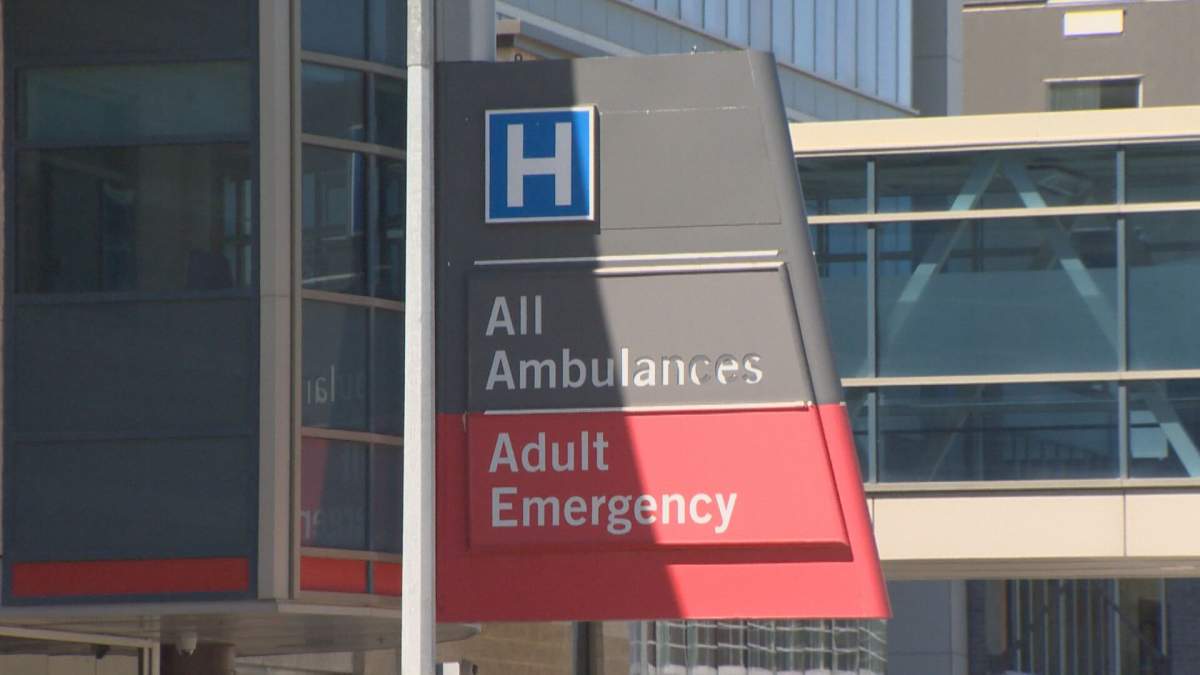
“Morale is very low throughout the entire system,” explains MAHCP President Jason Linklater. “When you don’t have the support to do this type of work it’s taxing, it’s mentally exhausting.
“This is what I hear every single day and there needs to be something done by government to address the reality of the situation.”
The organization is calling on the province for more supports, as the challenges without any continued population growth are already unmanageable.
“Too often what these people hear coming out of the government about improvements to the health-care system doesn’t align with their front-line experience at all,” says Linklater.
And with what many have called a housing crisis in the city, it raises the question of what options people will have as they move into Winnipeg. The city recorded a 12.3 per cent increase in housing starts in 2025, or 4,993 new homes. That data is from the Canada Mortgage and Housing Corporation, and the second-highest annual total in the city’s history.
That comes as the same data shows home completions dropped by more than 35 per cent in 2025, down to 3,689 total.
The Right to Housing Coalition advocates for low-income renters, and are urging for more social housing and rent-geared-to-income. The organization argues government hasn’t worked towards an adequate amount of these units.
Lynne Fernandez with the Right to Housing Coalition fears as more people move into the city, there won’t be adequate housing for all.
“If there’s a significant number of the new population who’s going to end up being low income, and can’t afford these new housing starts then that’s going to put more pressure on the sector we’re worried about.”
The city says it’s working to ensure Winnipeg’s services and sectors are ready for any continued influx of residents.


Comments
Want to discuss? Please read our Commenting Policy first.