


You pull open your fridge door to grab milk for your coffee only to find your teen has again emptied the carton. So now you need to pick up milk along with two lemons for that lemon loaf you’re making this afternoon. Could you walk to go get those items? It’s only a five-minute drive. How far a walk can that be?

One of the great things about city living is having a thriving neighbourhood nearby so you don’t have to far go for errands, to get your child to school or to commute to work. And as it turns out, that walk can have long-term benefits for the City and its residents and the climate. So much so that the City of Toronto is encouraging residents to leave the car at home and walk, bike or take transit to help cut greenhouse gas emissions. Vehicles generate about 36 per cent of the emissions in Toronto. And those emissions are warming our planet.
Rethinking travel choices
The campaign to have Torontonians rethink their travel choices comes at a critical time for the city. This initiative follows a vote in 2019 when Toronto City Council declared a climate emergency. Then, in late 2021, Council adopted an updated, accelerated climate action strategy with a net zero emissions by 2040 target. To help get there, Toronto implemented transportation goals and one of them is that 75 per cent of school/work trips under 5 km are walked, biked or by transit.
“These shorter trips do account for possibly unnecessary emissions,” says Cecilia Fernandez, manager, environment and climate for the City of Toronto. “If we reduce trips by car, we’ll have clearer and safer roads for other modes of travel. When there’s more road space, cyclists and walkers feel safer. It builds on that kind of culture that will ultimately help cut emissions.”
READ MORE: TransformTO: An inside look at a net-zero home in Toronto

Get breaking National news
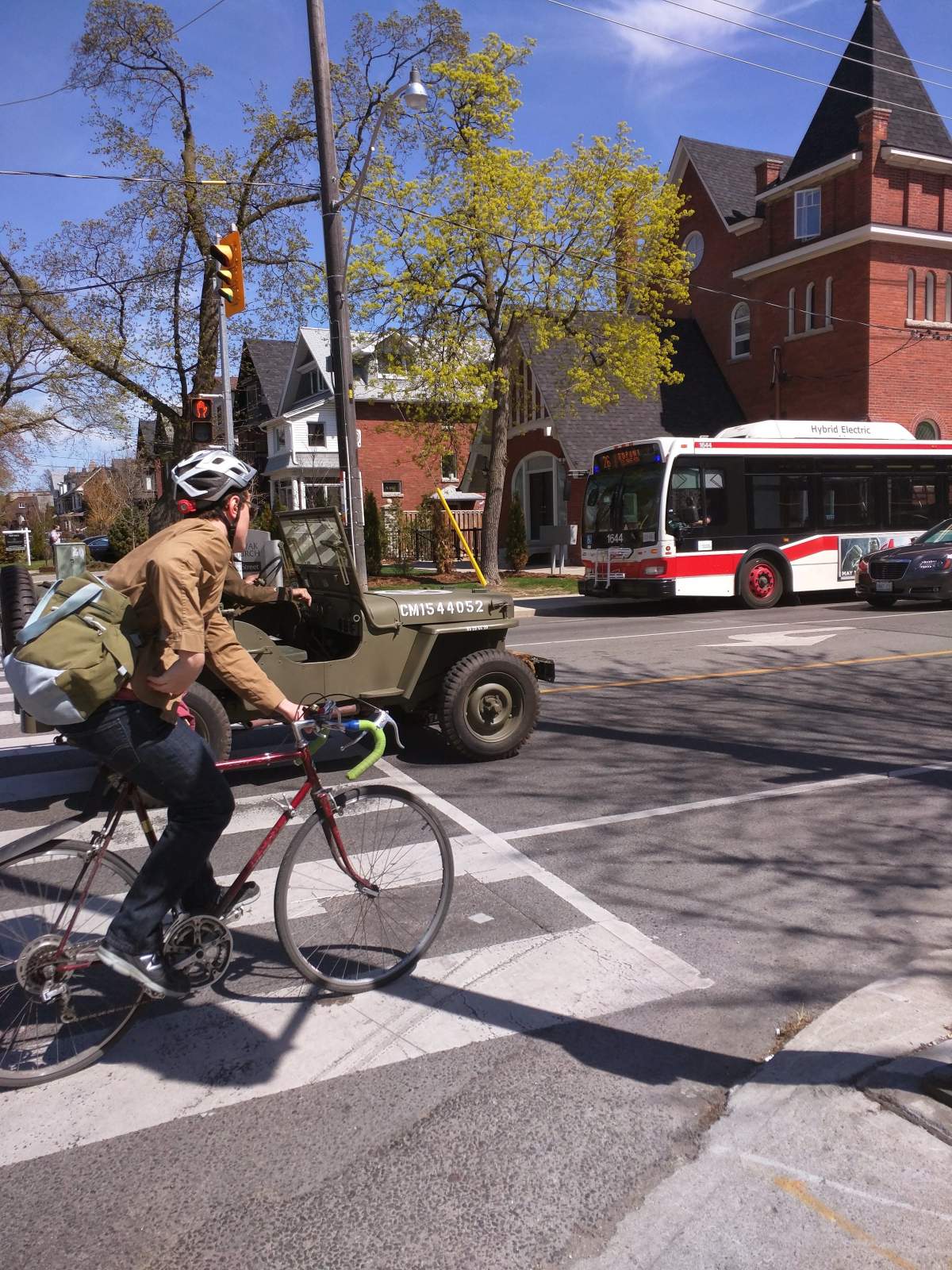
Walking is one option. But Toronto’s extensive transit network is another because it can move a larger volume of people. “One city goal is for everyone to have access to transit within a 500-metre distance of where they live. In most places, there may already be good access to transit,” says Fernandez.
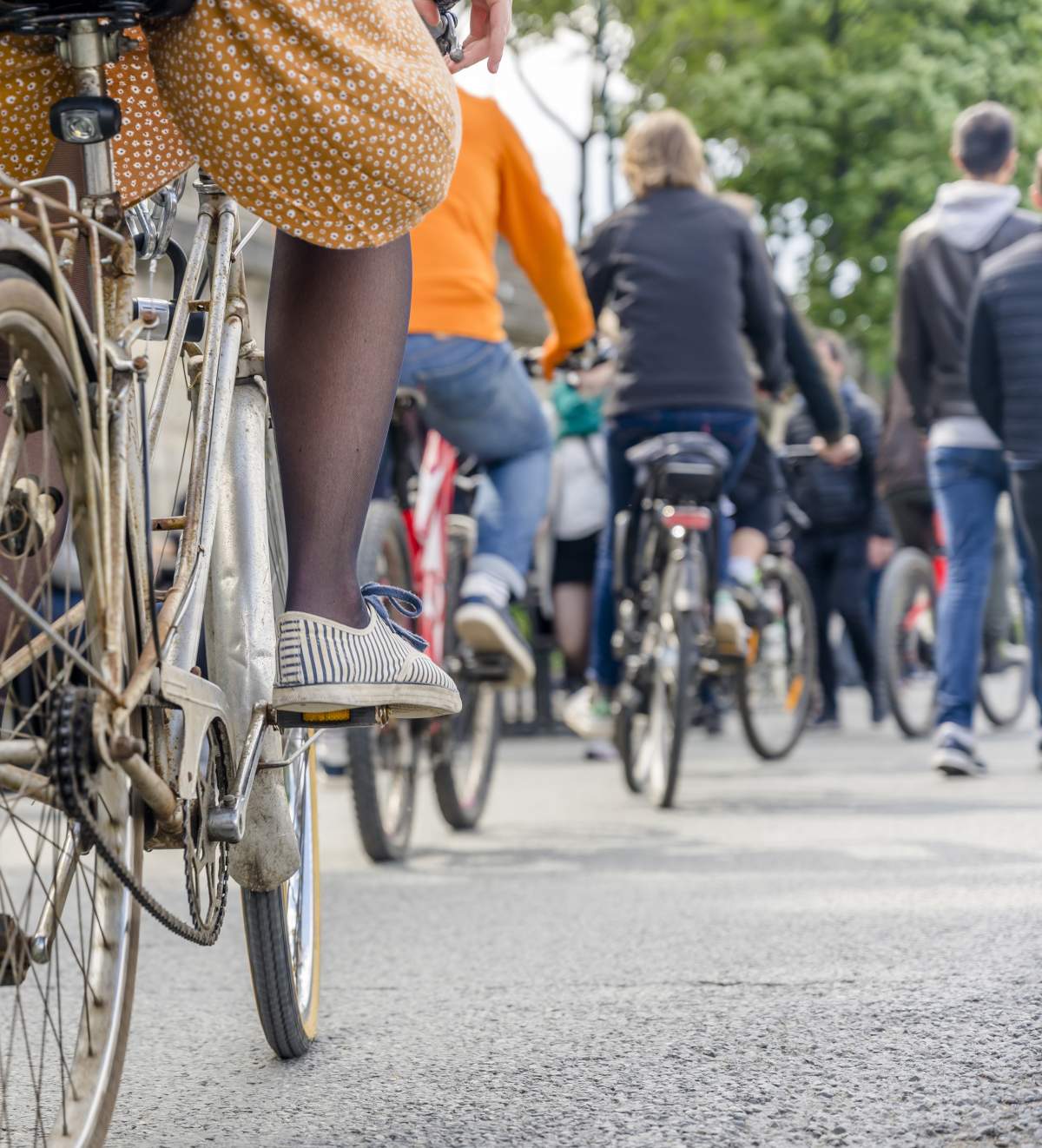
And then there’s cycling. “Our data shows cycling has a role to play when it’s about those 5 km and under trips, especially for travelling the first and last kilometre of a commute that may connect to heavier transit,” says Justin Hanna, director of Bike Share Toronto.
Growth of cycling
According to Bike Share Toronto, Torontonians are increasingly interested in cycling. In 2021, it reported just over 3.5 million rides. For 2022, it’s forecasting more than 4.3 million rides and by the end of September, it already met 2021’s number.
“The growth of bike share over the last few years is attributed to several reasons, one of which is the growth in cycling. It has increased with the growth of cycling infrastructure,” says Hanna. And then there was the pandemic where lockdowns had residents reconsider exercise and transportation options. “A lot of people discovered cycling as a way to travel because they didn’t want to get onto crowded transit,” says Hanna.
READ MORE: Toronto offering zero-interest loans up to $125K for green home retrofits
While the city’s cycling infrastructure continues to grow, whether it’s by putting in more Bike Share locations or expanding the web of cycling lanes, cycling could play a growing role in the under 5 km goal.
More e-bikes
That’s particularly so with e-bikes. The city’s goal is by 2025, to have e-bikes comprise just over 20 per cent of the bike share fleet. (Currently a Toronto e-bike gets 7-8x more rides than a regular bicycle.) “It’s for obvious reasons. They go faster, further, hills are easier to go up,” says Hanna. “But e-bikes also open cycling to a whole new demographic of people who won’t otherwise get on a bike. They’re going to be a gamechanger for the city.”
As is the outreach going on in less dense areas of Toronto. The City’s Neighbourhood Climate Action Champions initiative, for example, includes programs encouraging cycling for health and economic benefits in suburban areas, which in turn makes cycling more accessible.
“They have partner groups where they will bike together so that one feels safer on the road and can leave the car at home,” says Fernandez. “And in the end, it’s not about abandoning the car. It’s about leaving it for bigger trips you might have to take.”
To learn more about the City of Toronto’s TransformTO climate strategy and how everyone can contribute, visit livegreentoronto.ca.

