


The Griswold family’s antics are fun to watch in National Lampoon’s Christmas Vacation. But accidentally setting the Christmas tree on fire or burning the turkey doesn’t exactly make for a happy holiday.

There are a few ways Canadians can prepare to stay safe while celebrating. In partnership with Kidde Canada, a maker of fire safety products, we look at how to reduce the risk of a holiday mishap in your home this season.
In the kitchen
Setting up your cook space safely is the place to start. “The first step is to clean and clear — so clean your oven and stovetop of fats and greases, because residuals can reignite when you turn your appliance on,” says Sharon Cooksey, fire safety educator for Kidde. “And clear your area of grocery bags, kitchen or paper towels, and wooden utensils, because they can ignite as well.” Think about clearing out pets and kids, and maintain at least a one-metre safety zone around cooking surfaces if possible.
“Unattended cooking is the primary cause of cooking fires, particularly at the holidays when you have more going on in your home,” Cooksey says. She suggests focusing on being present when you’re cooking, and if you do need to step away from sautéing your green beans, turn off your stovetop until you can return and pay full attention again.
If you’ve got multiple small appliances going, such as slow cookers or air fryers, set a timer for each appliance so you don’t forget they’re turned on.
Cooksey also recommends being careful not to overload extension cords or power bars and having one working fire extinguisher in your kitchen, plus one for each floor of your house. “Extinguishers are designed to put out very small fires — one the size of your fist — or to help create a path out” in the event of a bigger fire, she says.
If you’re not sure how to safely operate a fire extinguisher, Kidde Canada has tips on using the PASS method. When in doubt, the best bet is to get out of the house and call 911 from a safe place.
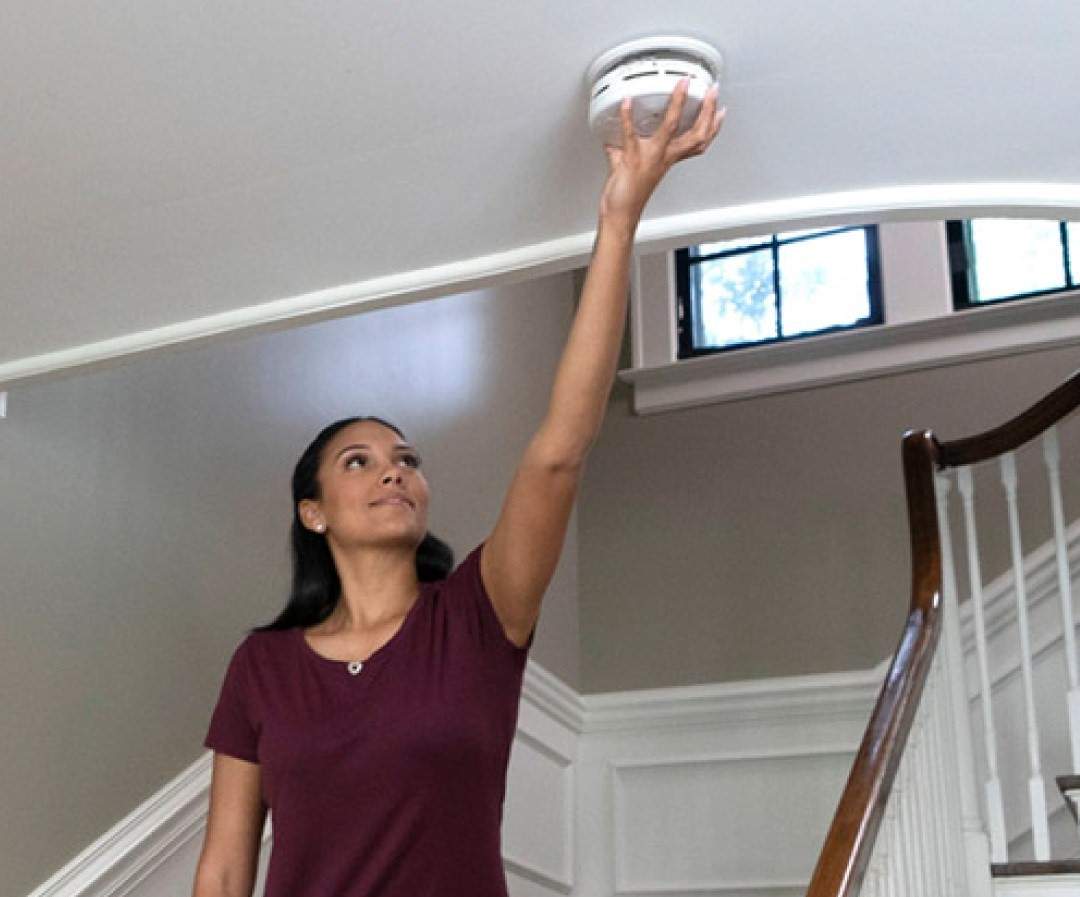
Before entertaining or hosting overnight guests, double-check your smoke and carbon monoxide alarms. Cooksey says smoke alarms need replacing every 10 years and CO alarms every seven to 10 years, depending on the model you have. Test alarms weekly and replace batteries as needed.
READ MORE: Does your smoke alarm need new batteries? Here’s how to tell
Around the Christmas tree

Get breaking National news
Safety starts with a sturdy tree stand. “If you have pets or children in the house, they may want to tug on it, and we don’t want it to topple over. Better yet, block off the tree stand, because pets will try to drink out of it as well if it’s a live tree,” Cooksey says.
READ MORE: Pets have a higher risk of carbon monoxide poisoning than people. Here are symptoms to watch for
And the number-one rule with live trees? “Water, water, water it,” she says. “The top month for Christmas-tree fires is January, so we want to make sure the tree stays as green and as flame resistant for as long as possible.”
Light it up
Love the look of string lights? Before you hang them on the tree or anywhere else in your home, go through the whole string to check for signs of wear or fray. “They’re not designed to last for a long time, so if it looks old, throw them out and buy new ones from a reputable retailer,” Cooksey says.
She also recommends LED lights instead of incandescent bulbs. “They don’t require as much electricity and because of that, they put off less heat. This is important for all trees, but especially live trees, because those trees are more easily ignited,” Cooksey says.
Look for lights that are CSA certified, and check light labels to see whether they’re designed for indoor or outdoor use. “Stick to that application,” Cooksey says. “Don’t take indoor lights outdoors.”
She also says that even though you may love the look of a lit Christmas tree in the front window, it’s a good idea to turn off all your lights when you leave the house or turn in for the night. “LED lights still put off some heat, and as long as they’re on, that’s a risk,” she warns.

Go for the glow
Cooksey strongly recommends flameless candles. “If you forget to turn them off, the battery runs out, so there’s no fire hazard from it like there is with regular candles,” she says. If you prefer traditional candles, keep them at least 30 centimetres away from anything flammable, especially your Christmas tree.
Pets can be curious — and sometimes clumsy — and can easily knock over a lit candle, so never leave a traditional candle burning unattended around animals. It’s also a good idea to check that candles aren’t left burning when no one is home; candle fires are most common over the holidays, according to Health Canada, so if you go out, blow them out.
Gather together, safely
The holidays tend to be a time when we welcome additional family and friends into our homes. So it’s important to ensure everyone knows your fire safety plan, including two ways out of every room in the event of a fire, Cooksey says. She adds that it’s a good idea to designate a helper for each older or younger guest who can assist with a safe exit, if needed.
Don’t forget to plan for pets; Cooksey recommends watching a video, like this one from celebrity pet trainer Sara Carson, about how you can train your pets to respond to the sound of a smoke alarm.
READ MORE: Kidde Canada’s fire safety tips for pet owners
For more safety tips, information on fire and carbon monoxide prevention, or to find fire safety products for your home, visit Kidde Canada.