


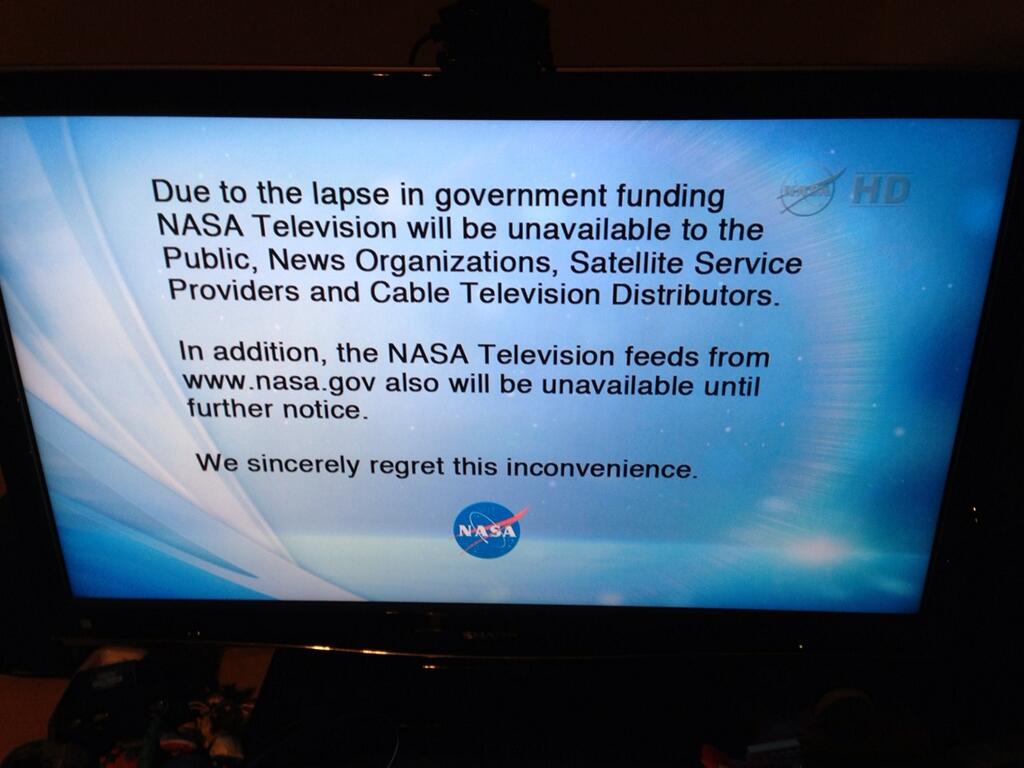
TORONTO – Sorry for the inconvenience, science.

The government shutdown has affected millions of people across the United States.
One of the casualties is science.
An incredible 97 percent of NASA employees have been furloughed. That means that nearly 18,000 people in that one organization aren’t working.
The astronauts aboard the International Space Station are safe, so there’s no threat of them being abandoned up there, à la Gravity.
Missions that are underway, such as the Juno mission that flew by Earth on Oct. 9, and LADEE which went into orbit around the moon last week are still considered essential. But future missions are threatened.
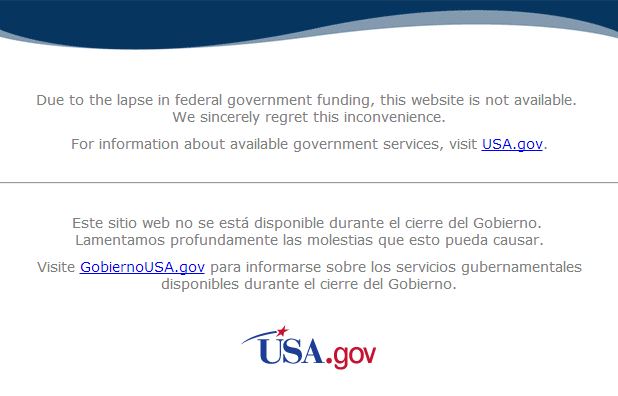
Fortunately, the Mars MAVEN mission and the James Webb Telescope which will replace the Hubble in a few years, have been deemed “essential.” And that’s a good thing, since these missions cost billions of dollars. How much sense would it make to squabble over budgetary issues only to blow billions of dollars on mothballed science programs?

Get daily National news
The shutdown also means climate research missions have been abandoned. Fortunately, the National Weather Service and the National Hurricane Center are still up and running, so Americans are still able to get their daily dose of weather.
People who have been approved to use the Hubble Space Telescope, for which time is precious, well, they lose their time.
The National Science Foundation, which funds many research projects, is also shut down (though research projects and government-funded scientists who are not federal employees are able to continue their work).
What the long-term effects of this shutdown will be on science is unknown right now. Though one organization, the American Astronomical Society, is asking its members to report how the shutdown has affected them.
All I know is, I want my NASA TV back.




Comments
Want to discuss? Please read our Commenting Policy first.