


An Indigenous advocacy group is calling on a Swiss collector who owns culturally significant Indigenous artifacts to ensure the items are return to their original Indigenous owners as he prepares for retirement.

The curator previously had some of his collection on display at the Indian Land Museum in Gossau, Switzerland, before it permanently closed at the end of 2025, according to a Swiss news outlet.
Since the closure, the goods were packed into boxes, and are currently sitting in storage waiting to be sold, according to a news release shared by Bringing Them Home, a grassroots Indigenous organization working to bring the goods back to North America.
“They’re not just things you display like trophies. They are sacred and they are holy to our people, and they need to be looked after with prayer. Proper protocol needs to be taken, and the proper ceremonies need to be done,” said Karl Stone, a councillor with Dakota Tipi First Nation, at a news conference Tuesday.
Sacred pipes, beaded regalia, feathered headdresses, and other culturally significant belongings are among the items listed for sale.
The collection has a total value of around CA$20 million. It also includes guns “believed to be associated with the period of the Battle of the Little Bighorn and the Plains Nations of that era,” the release said.

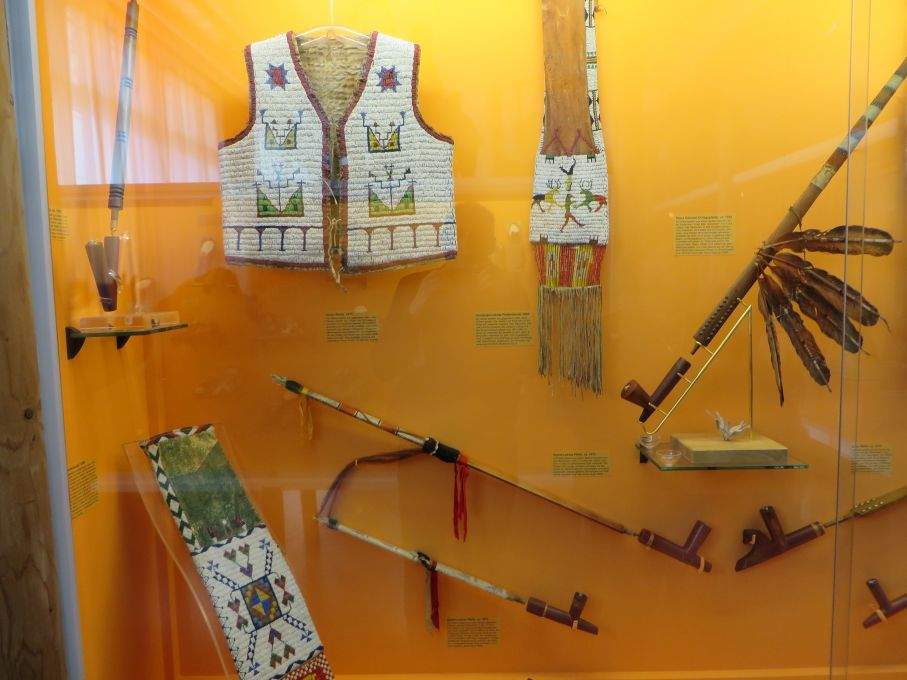

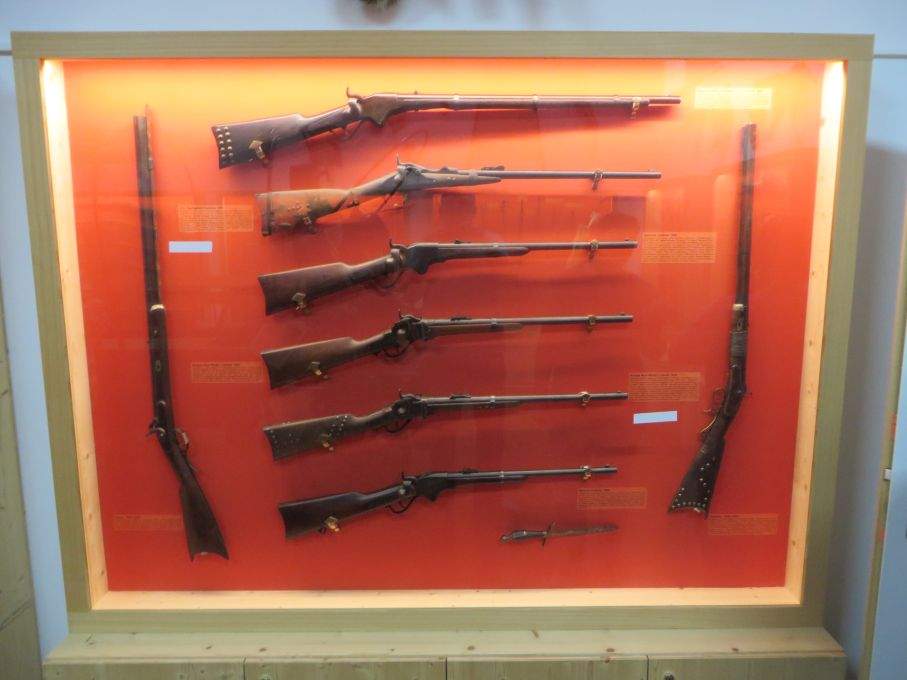

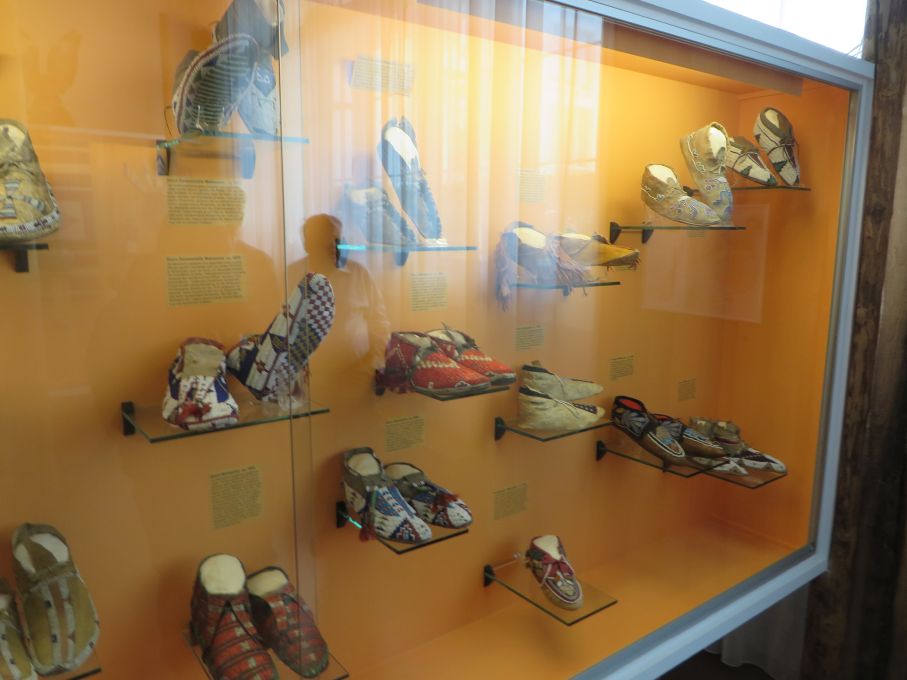
Bringing Them Home said they have spoken with the collector about keeping the items but have not been able to agree to a price yet.
One of their major concerns is the possibility of the artifacts being sold or auctioned to a private owner who is not interested in sharing their educational or historic value.

Get breaking National news
Some of the collection is currently listed on a private seller site for collectors.
- Canada will battle Switzerland for key World Cup match teeing up next round
- Ottawa student flagged as security threat over research helpful to Iran’s weapons program
- B.C.’s expanded chronic offender initiative welcomed but concerns raised
- Complexity growing as 911 fields more than 1 million calls for help each year in Calgary


“He’s willing to work with us. He seems to have a lot of empathy for these artifacts to come back home – to come back to the nations from which they came,” said Gerald Neufeld, a member of Bringing Them Home.
Neufeld was among a group of Indigenous people from Canada who visited the museum and saw the Swiss collection in person before the museum was shut down at the end of last year.
The goods and vestiges will be certified and assessed for pricing before a final sale is completed, if the group can successfully negotiate with the collector, he said.
From there, individual nations will decide whether they want to keep the item or have it displayed in a museum.
Global News reached out to the current owner of the artifacts for a comment. No response was received at the time of publication.
“This is a very important part of the whole healing process for our Indigenous people who live on this land. The time is here that we need to be putting efforts into bringing these home,” Neufeld said.
Bringing Them Home said it is calling on all levels of government in Canada and the U.S., museums and the public to stand behind them as they work to bring the artifacts back to its Indigenous owners.



STOP TELLING PEOPLE WHAT THEY SHOULD or SHOULDN’T BE DOING !!! F / K OFF
We know where the term “Indian giver” comes from.
They sell their stuff or give it away, then some time later, want it back, free of charge. If they don’t get it, they throw temper tantrums or sue.
The private collector has no obligation whatsoever to just hand over the pieces in his collection. If the indians want them, they can bid on them. I’m sure will 32 Billion dollar a year handout, they can afford it.
If the Indians want to purchase them, then by all means get registered and be the highest bidder.
These are important, but not sacred. And they were traded or bought in good faith. Like if I sell my favourite sweater, it was cherished, and If I want it back, I have to buy it at the auction.
Bet they want Canada to buy the merchandise for them, like always.
With all the money (handouts) over the years, the native leaders and only the native leaders should cover the costs.
He owes them nothing