

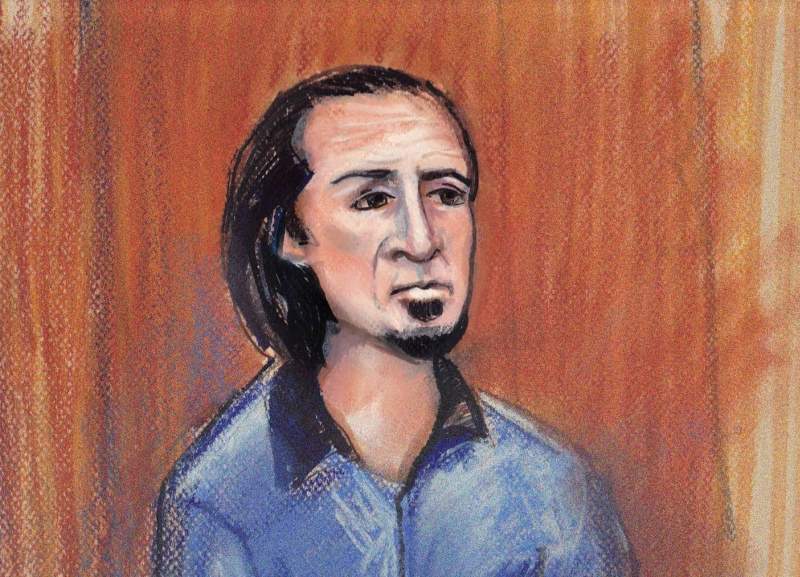
EDMONTON – The would-be bomber says he is worried about his family.
"Particularly my mother," the man writes. "I am so concerned about…the shock."
"I don’t know what to tell you, brother, but what I know now is that the things we are about to do are duty on us," comes the reassuring reply.
"May God give you 74 to marry. We want the virgins of paradise, not the ones here," the prospective bomber writes back.
"You come short, brother," the other man responds. "God is more generous than that. It’s supposed to be 76 instead."
According to court documents, this was an electronic conversation captured by U.S. Justice officials as they built a case against a "Tunisian foreign-fighter facilitation network" they believed was shipping terrorists to Iraq to attack the American military.
The potential bomber is said to be in Tunisia, a small African country sandwiched between Algeria and Libya across the Mediterranean from Italy. His counsellor is allegedly a 38-year-old Iraqi Canadian – a construction worker by trade – living thousands of kilometres away in Edmonton.
The documents in support of the charges against Sayfildin Tahir Sharif, who was arrested in the Alberta capital this week, paint a sinister picture of plotters wrapped in a mix of radical religion and nationalism, bent on doing as much harm to American troops as possible.
The documents portray a realm of innuendo and code: where terrorism is a job, terrorists cells are companies and terrorists are workers.
They were filed last week in the U.S. District Court of eastern New York in support of an arrest warrant for Sharif. The U.S. Justice Department says the material comes from intercepted emails and telephone calls as well as from physical evidence and interviews.
The information was sworn by John J. Mazzella, an investigator with the U.S. attorney’s office. None of the allegations has been proven in court and Mazzella notes from the outset that the quotes are based only on summaries and draft translations.
Sharif remained in custody Thursday and his lawyer said he will fight extradition to the United States.
Authorities in the United States, Canada and Tunisia had been tracking the alleged network since 2009.
Investigators believe the cell organized at least two suicide bombings in Iraq. All of the bombers are said to have been Tunisians and it’s believed they entered Iraq through Syria with a stop in Libya.
The first explosion came on March 23, 2009, when a truck bomb was driven up to an Iraqi police station in Mosul. At least seven people were killed and 17 others injured.
The second was a few weeks later, on April 10 in the same city. A U.S. military convoy was leaving the American forward operating base Marez when it noticed guards at an Iraqi checkpoint in a gunfight with a dump truck. The truck drove toward the base and blew up as it passed the last vehicle in the convoy. Five Americans were killed and others were injured.
The Justice Department alleges Sharif played a role as organizer and counsellor in the network and that he recruited more bombers to the cause, while staying in touch with his fellow conspirators. In intercepted conversations reported in the court documents, he railed against the "infidel enemy," saying "there is no more pressing duty after the declaration of faith than fighting the enemy."
The day after the attack on the military base, Sharif allegedly wrote to one of his co-conspirators: "Did you hear about the huge incident yesterday?" When the response was yes, Sharif reportedly replied "He was one of the Tunisian brothers."
Justice officials allege Sharif played a key role in trying to get a second group of Tunisians into Iraq at around the time the first targets were hit.
Investigators said they intercepted an electronic conversation in which they say Sharif advised a prospective bomber about what he should leave behind.
"My brother, what do you advise me to do with my family?" the fighter asked. " Should I leave a will with them? I never talked to them about leaving. Otherwise, they would never let me go." "No. No, I don’t recommend this," the documents say Sharif responded. "This will cause them to suffer after you … Also, try to delete everything. I mean everything off your computer. Don’t leave one character of information or anything behind. Don’t leave any of your belongings in the house. Don’t leave a trace."
"Yes brother. What else?" the fighter inquired.
"Do not forget to keep reading Qur’an and repeat the famous prayers on the way until you meet with God."
The documents suggest the alleged conspirators were constantly wary that authorities could be closing in. That awareness was heightened when two of them based in Iraq were arrested shortly after the bombing at the American base.
"Brother, be cautious," the documents say Sharif was warned by one of the conspirators who was still free.
"Try to erase everything that you had written to me or anyone else at the end of the session," Sharif responded.
The communication didn’t stop, say the documents.
In December 2009, investigators allege Sharif took steps to join the fight himself in a coded message to one of his fellow plotters, who was based in Iraq.
Sharif allegedly asked if he could get his hands on a "mute bride with a crown." He told his mother later that he meant a rifle with a scope and silencer, according to the transcripts.
"I’ve named her a bride because she’s so beautiful," he says in the documents. "The crown means the telescope that’s mounted on top."
The conversations the Justice Department said it intercepted suggest Sharif was intent on making sure people within his network knew that he was a good worker and committed to the cause.
In one conversation in January 2010, the documents say he told a fellow conspirator to make it clear to the organization’s leader that he was ready to fight.
"Say to him: ‘he is not just 100 per cent, but one million per cent with you. He is with you on the doctrine, the loyalty and the enmity and everything one million per cent."
A few weeks later, the documents show Sharif seemed hesitant but left the door open to dying for the cause. He used the code term 70, which investigators say refers to the number of virgins Muslim terrorists believe they are granted in paradise if they die as martyrs.
"If I come over there, you know, then I want the bride with the crown, not 70 at the beginning."



Comments
Want to discuss? Please read our Commenting Policy first.