


WINNIPEG – A much beloved fixture at city parades, community gatherings and festivals has been put out to pasture.

The Winnipeg Police Service Mounted Patrol Unit, which included two horses and two officers who have patrolled streets since 1998, has been disbanded.
Police Chief Devon Clunis said Friday the decision was made earlier this year.
“At a time when you’re looking at real tough fiscal restraints and what is the best bang for the dollar so to speak, we feel this was the best move in terms of the utilization of resources,” said Chief Clunis.





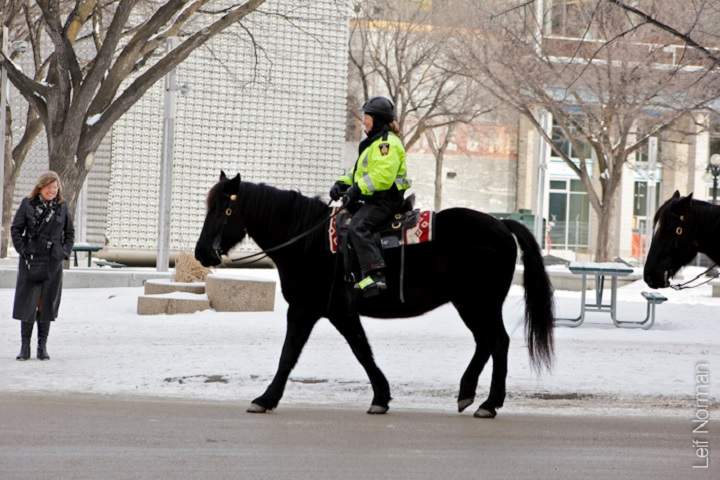
A police spokesperson says it cost up to $25,000 to feed and house the horses, a number that does not include the cost of equipment and the horse and trailer used to transport the animals in and out of the city.
In the past, the high-profile mounted unit was regularly touted as a means of improving community relations and allowing the public a more welcoming opportunity to interact with police.

Get breaking National news
“It’s unfortunate the unit has been disbanded,” said Downtown Biz executive director, Stefano Grande. “It’s a great way of engaging the community in a constructive manner.”
“The Mounted Patrol can usually be seen patrolling areas of The Forks, the Downtown and into the North End up to Redwood Avenue,” a 2005 news release from the Winnipeg Police Service said. “As well as being a public relations tool for the service, the Mounted Patrol attends special events throughout Winnipeg, on request. They deal with all incidents reported to them and assist other units in searching when required.”
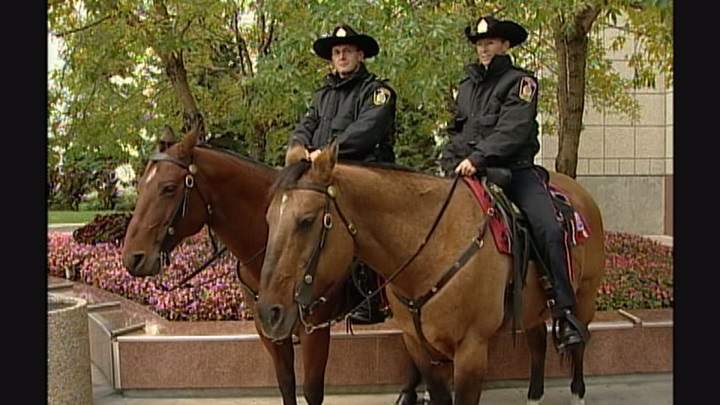
Local photographer Leif Norman spent a day documenting the unit back in 2012, and says what he noticed then was a lot of love from the community. “Everybody was smiling and waving and pointing and laughing,’ said Norman
The mounted unit officers will remain with the police community relations unit and the elimination of the mounted patrol will save money, Clunis said. The horses, Titus and Amaro, have been sold “at market value” to one of the officers who is also retiring, police said.
“Whether it be in the schools or doing proactive education in the community, I still think it’s a better utilization of resources,” Clunis said.





Comments
Want to discuss? Please read our Commenting Policy first.